
L-Beton
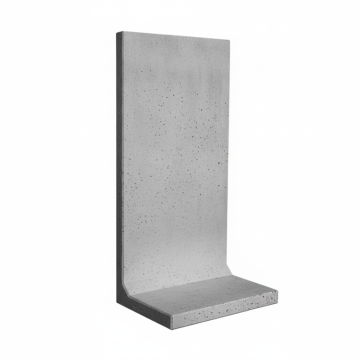
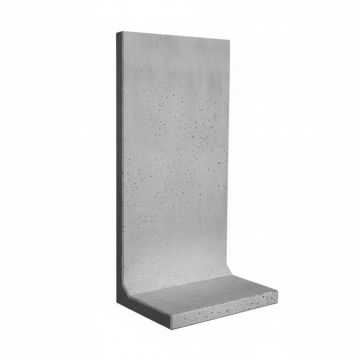
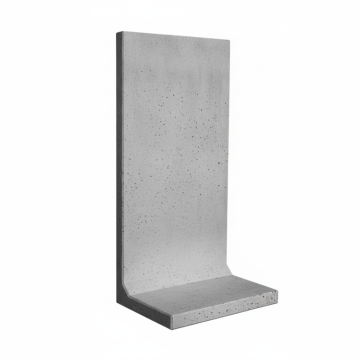
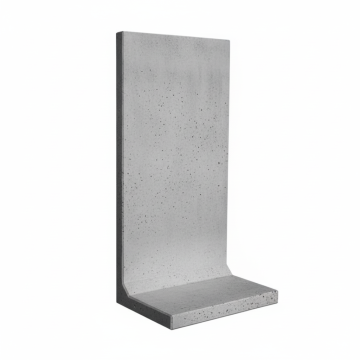
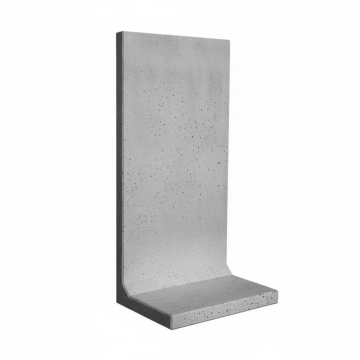
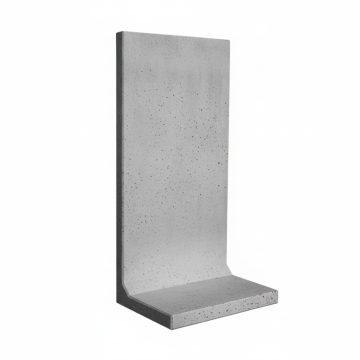
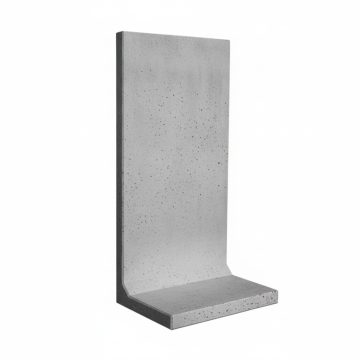
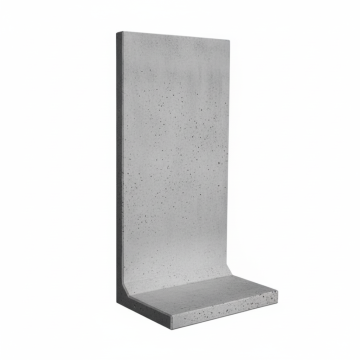
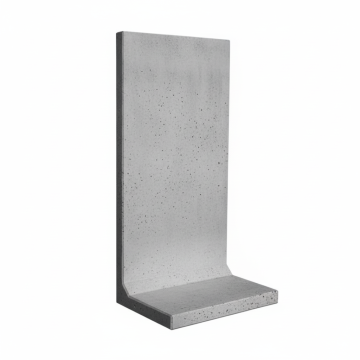
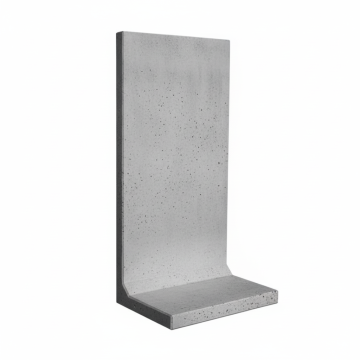
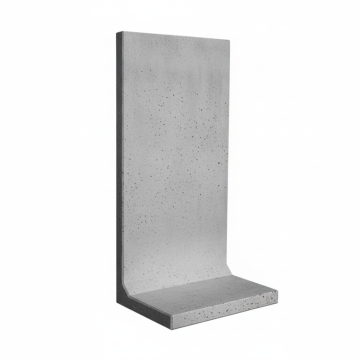
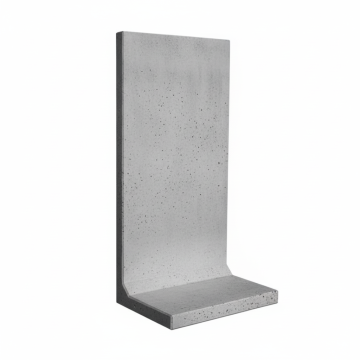
L-shaped Retaining Walls – Heavy-Duty Engineered Concrete Solutions
L-shaped retaining walls, technically known as L-wall units, are advanced concrete prefabricates engineered to withstand the most demanding load environments. The retaining walls offered by the Sorfan brand are cast from top-tier structural concrete (commonly classes C35/45 or higher), granting them exceptional structural density and supreme compressive strength.
The secret behind the fail-proof reliability of our concrete retaining structures is the heavy-duty ribbed steel reinforcement embedded within. This robust internal skeleton allows the wall to flawlessly absorb not only massive static soil and material pressure but also extreme dynamic surcharge loads (such as heavy agricultural machinery or 60-ton HGVs operating directly above the slope). The physics of the L-shape ensure that the downward weight of the stored material onto the base acts as the primary stabilizing force.
Technical Specifications and Advantages of our L-Walls
By choosing Sorfan L-walls, you are securing a product with rigorously tested technical parameters:
- Highest Exposure Classes: Fully certified against severe freeze-thaw cycles (XF1-XF4) and highly resistant to aggressive chemical attacks (Class XA, crucial in sulfate-rich farming environments).
- Unmatched Flexural Strength: A dense reinforcement mesh effectively manages variable ground tensions, totally preventing structural cracking under continuous pressure.
- Installation Precision: Beveled edges and optional tongue-and-groove joints allow for a perfectly flush alignment when erecting continuous, seamless retaining walls.
- Integrated Lifting Systems: Each precast element is equipped with factory-embedded transport anchors (e.g., spherical head anchors), enabling rapid, secure, and precise positioning using standard lifting clutches.
Versatile Applications: From Agriculture to Road Infrastructure
Their uncompromising durability has made L-shaped walls indispensable across multiple sectors. In modern agriculture, they are the preferred choice for rapidly constructing hermetic drive-over silage clamps, manure platforms, and large-capacity fertilizer bays (where the concrete's chemical resistance is paramount). In the recycling and industrial sectors, they form indestructible bunkers for scrap metal, aggregates, sand, and municipal waste, easily surviving daily impacts from wheel loader buckets. In civil engineering and landscaping, they act as the primary building blocks for leveling severe terrain slopes, stabilizing highway embankments, building loading ramps, and forming bases for massive acoustic barriers.

Expert Opinion – Substrate Preparation and Drainage
To fully leverage the load-bearing capacity of L-shaped walls, the foundation must be executed according to strict engineering standards. It is absolute best practice to excavate frost-susceptible soils and pour a leveling pad of lean concrete (Class C8/10) about 10-15 cm thick. Furthermore, when retaining earth banks, applying proper backfill drainage behind the wall (using dimpled membranes, geotextiles, and perforated drain pipes) is critical. This systematically prevents the buildup of trapped water, which would otherwise generate extreme hydrostatic pressure capable of exceeding the structural limits of the concrete wall.
FAQ – Advanced Technical Questions about L-Walls
How do I choose the correct L-wall for my specific load requirements?
Selecting the right wall thickness and steel reinforcement heavily depends on the soil's internal friction angle and the anticipated surcharge (surface traffic load). L-walls are manufactured in various load classes—ranging from light static load models (for pedestrian areas or gardens) to highly reinforced versions designed to withstand deep earth pressure combined with heavy highway traffic (up to SLW 60 load class).
Can L-shaped walls be cut or modified on the construction site?
Cutting or grinding reinforced retaining walls is strongly advised against. Such actions destroy the protective concrete cover over the steel mesh, leading to rapid rebar corrosion and catastrophic structural weakening. Any required corner pieces or custom-length elements must always be ordered as factory-made original prefabricates.
How should agricultural silo joints be professionally sealed?
Due to highly acidic environments (e.g., silage effluent, liquid manure), the vertical joints between the L-walls must be permanently sealed using chemically resistant polyurethane or bitumen-rubber mastics after applying a suitable primer. Alternatively, certified expanding foam tapes are highly recommended to prevent any hazardous leakage into groundwater.
What lifting equipment is required for safe unloading and installation?
Given that large elements routinely exceed weights of 1 to 3 tons each, unloading strictly requires an excavator, a mobile crane, or a truck with a heavy-duty HIAB loader. Operators must exclusively use certified lifting clutches (spherical head lifters) that lock perfectly into the transport anchors cast into the concrete.